So, you have a tree that’s overstayed its welcome. Maybe it’s leaning a little too close to your house for comfort, or its roots are staging a hostile takeover of your plumbing. Whatever the reason, you’ve decided it’s time to say, “Tree Ya Later!” But before you can bid farewell, there’s one big question looming: How much is this going to cost?
The cost of tree removal isn’t a one-size-fits-all number. It’s a complex calculation involving several factors, and understanding them can help you budget accordingly and avoid any unpleasant surprises. In this guide, we’ll break down the real cost of tree removal in New Jersey, what influences the price, and how you can plan for it without breaking the bank.
Tree Size, Height, and Spread: The Bigger They Are, the Harder They Fall (on Your Wallet)
It probably comes as no surprise that the size of the tree is the biggest factor in determining the cost of removal. A small, young tree that can be taken down with a simple handsaw is going to be significantly cheaper to remove than a towering, ancient oak that requires a team of professionals and heavy machinery.
- Height: Taller trees require more labor and equipment to safely dismantle. Arborists may need to use specialized climbing gear or even a crane to reach the upper branches, which adds to the overall cost.
- Diameter: The thickness of the trunk also plays a crucial role. A wider trunk means more wood to cut through, which takes more time and effort.
- Spread: The width of the canopy can also affect the price. A tree with a wide spread may require more intricate rigging to lower branches without damaging surrounding property.
Think of it this way: removing a sapling is like weeding your garden, while taking down a massive maple is more like performing a delicate, high-stakes surgery. The more complex the procedure, the higher the bill.
Location and Accessibility: Is Your Tree Playing Hard to Get?
The location of the tree on your property can have a major impact on the cost of removal. If the tree is easily accessible from the street, the removal process will be much more straightforward and, therefore, less expensive. However, if your tree is tucked away in a hard-to-reach corner of your yard, you can expect the price to go up.
Consider these scenarios:
- Front Yard vs. Backyard: A tree in your front yard is usually easier to access than one in the back, especially if you have a fence or other obstacles.
- Proximity to Structures: If the tree is close to your house, power lines, or other structures, the removal process becomes much more delicate. Arborists will need to take extra precautions to avoid causing damage, which can add to the labor costs.
- Terrain: A tree on a steep slope or uneven ground can also complicate the removal process, requiring specialized equipment and techniques.
In short, if your tree is playing a game of hide-and-seek, it’s going to cost you more to find it and take it down.
Tree Condition and Safety Hazards: A Risky Business
The health of the tree is another important factor to consider. A healthy, stable tree is much easier and safer to remove than one that is dead, diseased, or damaged. If the tree poses a safety hazard, the removal process will be more complex and, therefore, more expensive.
Here are some common safety hazards that can increase the cost of tree removal:
- Dead or Decaying Wood: Dead branches are unpredictable and can break off unexpectedly, posing a risk to the crew and your property.
- Disease or Infestation: A tree that is weakened by disease or pests may be structurally unsound, requiring extra care and specialized techniques to remove safely.
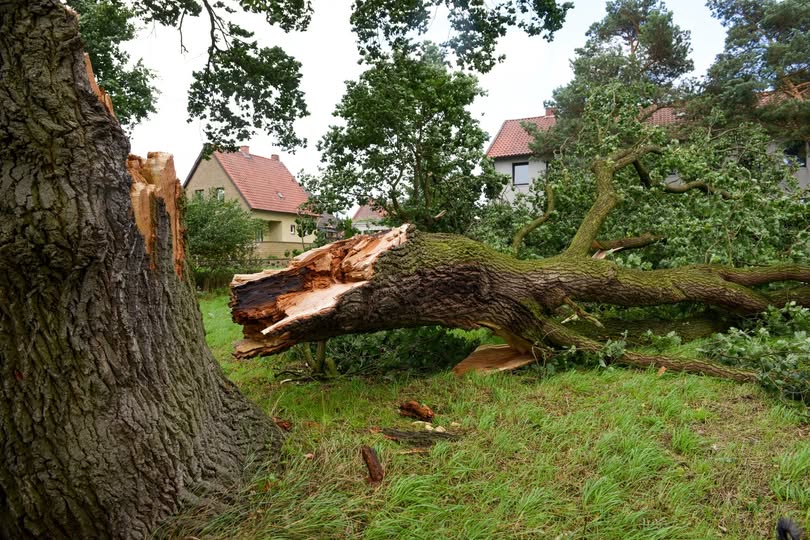
- Storm Damage: A tree that has been damaged in a storm may be unstable and require immediate attention. Emergency removals are almost always more expensive than planned ones.
When a tree is a ticking time bomb, you’re not just paying for removal; you’re paying for the expertise and equipment needed to defuse it safely.
Equipment Needs: From Climbers to Cranes
The type of equipment required for the job will also affect the final price. For a small, straightforward removal, a team of arborists with chainsaws and climbing gear may be all that’s needed. However, for larger or more complex jobs, heavy machinery may be necessary.
- Climbers: For trees that are too tall to reach from the ground but don’t require a crane, skilled climbers will ascend the tree to dismantle it piece by piece.
- Bucket Trucks: If the tree is accessible from the street, a bucket truck can be used to lift an arborist into the canopy, making the removal process faster and safer.
- Cranes: For massive trees or those in tight spaces, a crane may be needed to lift large sections of the tree over your house or other obstacles. Cranes are expensive to rent and operate, so this will significantly increase the cost of the job.
Think of it as a sliding scale of intensity. The more firepower you need to bring in, the more you can expect to pay.
Cleanup, Hauling, and Wood Disposal: The Aftermath
Once the tree is down, the job isn’t over. The debris needs to be cleaned up, hauled away, and disposed of properly. Most tree removal companies will include this in their quote, but it’s always a good idea to confirm.
- Chipping: Smaller branches and limbs are usually fed into a wood chipper, which turns them into mulch. Some companies may offer to leave the mulch for you to use in your garden, while others will haul it away.
- Log Removal: Larger sections of the trunk can be cut into firewood or hauled away. If you want to keep the wood, be sure to let the company know beforehand.
- Stump Grinding: Tree removal quotes don’t always include stump grinding. If you want the stump removed as well, you’ll need to request it as an additional service, which will come at an extra cost.
Don’t forget to factor in the cleanup when you’re budgeting for tree removal. A messy yard is the last thing you want to deal with after the tree is gone.
Emergency vs. Planned Removals: The Price of Procrastination
If a tree falls on your house in the middle of the night, you’re going to need an emergency removal. These situations are always more expensive than planned removals because they require a rapid response and often involve more risk.
Planned removals, on the other hand, can be scheduled in advance, allowing the tree removal company to allocate their resources more efficiently. This can often result in a lower price for you.
The moral of the story? Don’t wait for a disaster to strike. If you have a tree that you know needs to be removed, it’s always better to take care of it sooner rather than later.
How to Budget for Tree Removal
Now that you have a better understanding of the factors that affect the cost of tree removal, you can start to budget for the project. Here are a few tips to help you plan:
- Get Multiple Quotes: Don’t just go with the first company you find. Get at least three quotes from reputable, insured tree removal companies in your area. This will give you a better sense of the going rate and help you find the best value.
- Ask for a Detailed Breakdown: A good quote will break down the costs for each part of the job, including labor, equipment, and cleanup. This will help you understand exactly what you’re paying for.
- Consider the Value, Not Just the Price: The cheapest quote isn’t always the best one. Make sure you’re hiring a company that is licensed, insured, and has a good reputation. A botched tree removal job can end up costing you a lot more in the long run.
- Plan Ahead: If you know you have a tree that will need to be removed in the future, start saving for it now. That way, you won’t be caught off guard when the time comes.
Conclusion
The cost of tree removal in New Jersey can vary widely depending on a number of factors. By understanding what influences the price, you can make an informed decision and find a solution that fits your budget. Remember, when it comes to tree removal, it’s always best to leave it to the professionals. The safety of your property and your family is worth the investment.
Ready to get a quote for your tree removal project? Don’t wait for a disaster to strike. Book a free estimate with Tree Ya Later today! Our team of certified arborists is here to help you safely and efficiently remove any unwanted trees from your property.
Frequently Asked Questions (FAQ)
**Q: How much does it cost to remove a tree in NJ?
**A: The cost of tree removal in New Jersey can range from a few hundred dollars for a small tree to several thousand dollars for a large, complex removal. The final price will depend on the size, location, and condition of the tree, as well as the equipment needed for the job.
**Q: Is stump grinding included in the cost of tree removal?
**A: Stump grinding is not always included in the standard tree removal quote. It’s usually an additional service that you’ll need to request and pay for separately. Be sure to clarify this with the tree removal company when you get your quote.
**Q: Can I remove a tree myself to save money?
**A: While it may be tempting to try to remove a tree yourself, it’s a dangerous job that should be left to the professionals. Certified arborists have the training, experience, and equipment to remove trees safely and efficiently. The risk of injury or property damage is not worth the potential savings.
**Q: How can I tell if a tree needs to be removed?
**A: There are several signs that a tree may need to be removed, including dead or dying branches, cracks in the trunk, a hollow or decaying trunk, and leaning. If you’re concerned about a tree on your property, it’s always best to have it inspected by a certified arborist.