
Winter Tree Trimming Don'ts: Avoid Pruning Spring-Flowering Trees
Winter Tree Trimming Don’ts: Avoid Pruning Spring-Flowering Trees
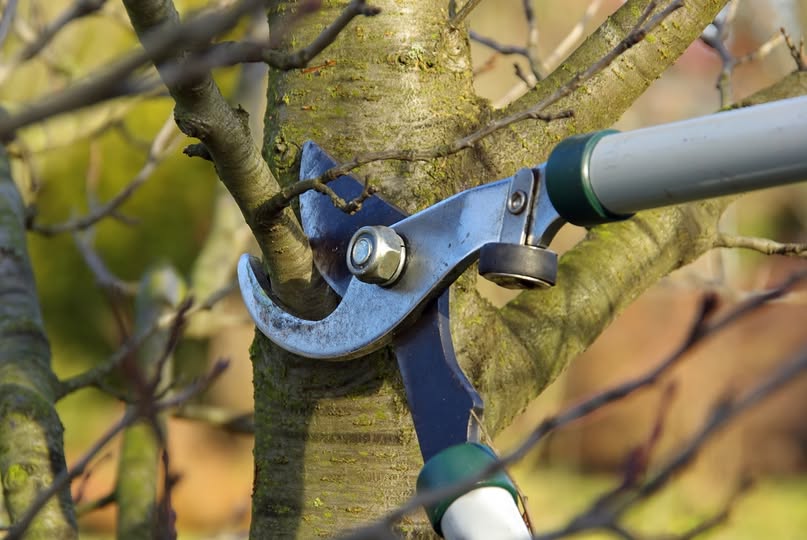
Well, hello there, fellow tree enthusiasts and weekend warriors of the garden! It’s that time of year again in the great state of New Jersey. The air is crisp, the holidays are a fond memory, and you’re itching to get outside and do something productive. For many, that means grabbing the pruning shears and giving your trees a little winter haircut. And while we at Tree Ya Later applaud your gung-ho spirit, we’re here to stage a friendly intervention. Put down the loppers, step away from the magnolia, and for the love of all that is beautiful, don’t you dare touch that cherry tree!
Winter pruning is a fantastic practice for many trees, but for our beloved spring-flowering varieties, it’s a one-way ticket to a flowerless spring. And let’s be honest, a spring in New Jersey without the vibrant blooms of a dogwood or the fragrant explosion of a lilac is like a pork roll sandwich without the egg and cheese – it’s just plain wrong. So, before you commit a floral felony, let’s talk about the don’ts of winter tree trimming.
The “Do Not Prune” List: A Winter Who’s Who of NJ’s Spring-Flowering Trees
Think of this as the VIP list for the spring flower show. These trees are the stars, and they have a strict “do not disturb” policy during the winter months. If you have any of these beauties in your yard, consider this your official notice to back off until after they’ve had their moment in the spotlight.
- Cherry Trees: Whether you have a weeping cherry or a classic Yoshino, these trees are the undisputed queens of spring. Pruning them in winter is like telling a diva to cancel her opening night. You’ll be left with a whole lot of green leaves and a heart full of regret.
- Magnolia Trees: From the saucer magnolias to the star magnolias, these ancient trees produce some of the most spectacular flowers of the season. Their large, goblet-shaped blooms are a sight to behold. Don’t be the reason your neighborhood misses out on this glorious display.
- Dogwood Trees: The state tree of Virginia, but a beloved resident of New Jersey, the dogwood is a true American beauty. Its delicate, four-petaled bracts are a hallmark of spring. Pruning a dogwood in winter is like trying to edit a masterpiece – you’re only going to make it worse.
- Redbud Trees: These smaller, native trees are known for their stunning, purplish-pink flowers that appear directly on the branches before the leaves emerge. A winter pruning session will leave you with a bunch of sticks and a serious case of the springtime blues.
- Lilac Bushes: Okay, technically a shrub, but we’re including it because the fragrance of a lilac in full bloom is one of life’s simple pleasures. If you want your yard to smell like a heavenly perfume shop in May, keep your pruning tools far, far away during the winter.
The Science Behind the Snipping: Why Winter Pruning is a Floral Fiasco
So, why all the fuss? It’s not just because we’re overly sentimental about flowers (though we are). There’s some real science behind this. Spring-flowering trees are what we call “old wood bloomers.” This means they form their flower buds for the upcoming spring during the previous summer and fall. These tiny, precious buds then spend the winter dormant, just waiting for the right moment to burst forth in a symphony of color.
When you prune these trees in the winter, you are, quite literally, cutting off the source of next year’s flowers. It’s like canceling your Netflix subscription right before the new season of your favorite show drops. The tree will be perfectly healthy, but you’ll have a long, flowerless season to reflect on your poor life choices. We’re not trying to be dramatic, but a spring without cherry blossoms is a tragedy of Shakespearean proportions.
Timing is Everything: The Best Time to Prune Your Spring Beauties
Now that we’ve thoroughly scared you away from winter pruning your spring-flowering trees, you’re probably wondering, “Well, when can I prune them?” The answer is simple: immediately after they finish flowering.
Once the last petal has fallen, that’s your cue to get out there and get to work. Pruning at this time allows you to shape the tree, remove any crossing branches, and improve its overall structure without sacrificing a single bloom. It also gives the tree the entire growing season to recover and produce a new set of flower buds for the following year. It’s a win-win for everyone involved.
But Wait, There’s More! When Winter Trimming IS a Good Idea
We don’t want to give winter pruning a bad rap. For most of your other deciduous trees – the ones that don’t put on a big floral show in the spring – winter is the absolute best time to prune. Think of your oaks, maples, and birches. When the leaves are gone, you can see the tree’s structure clearly, making it easy to identify and remove any problematic branches.
Furthermore, winter is always the right time to remove any dead, damaged, or diseased wood from any tree, including your spring-flowering friends. These branches are not only unsightly, but they can also be a hazard to your home and family. So, if you see a branch that’s clearly not among the living, feel free to give it the old heave-ho, no matter what time of year it is.
Conclusion: A Little Knowledge Goes a Long Way
And there you have it, folks. The long and short of why you should think twice before giving your spring-flowering trees a winter buzzcut. It all comes down to understanding the unique needs of your trees and respecting their natural cycles. A little patience and a well-timed prune will reward you with a breathtaking floral display that will be the envy of the neighborhood.
But hey, we get it. Life is busy, and sometimes you just don’t have the time or the expertise to keep track of every tree’s personal grooming schedule. That’s where we come in. At Tree Ya Later, we’re not just a clever name – we’re a team of certified arborists who are passionate about keeping your trees healthy and beautiful.
Ready to take the guesswork out of tree care? Book your free, no-obligation estimate today! We’ll come out, assess your trees, and create a customized pruning plan that works for you and your leafy friends. Tree Ya Later!
Frequently Asked Questions (FAQ)
Q1: Can I ever prune my spring-flowering trees in winter?
A: The only time you should prune a spring-flowering tree in winter is to remove dead, damaged, or diseased branches. Any other pruning should wait until after the tree has finished blooming in the spring.
Q2: What happens if I already pruned my spring-flowering tree in winter?
A: Don’t panic! The good news is that you haven’t killed your tree. The bad news is that you’ve likely removed most, if not all, of the flower buds for the upcoming season. Your tree will be fine, but you’ll have to wait until next year to see it bloom again.
Q3: Are there any exceptions to the “don’t prune in winter” rule for these trees?
A: For the most part, no. If a tree is known for its spring flowers, it’s best to avoid winter pruning. However, every tree is an individual, and there may be specific circumstances where a winter prune is necessary. If you’re unsure, it’s always best to consult with a certified arborist.