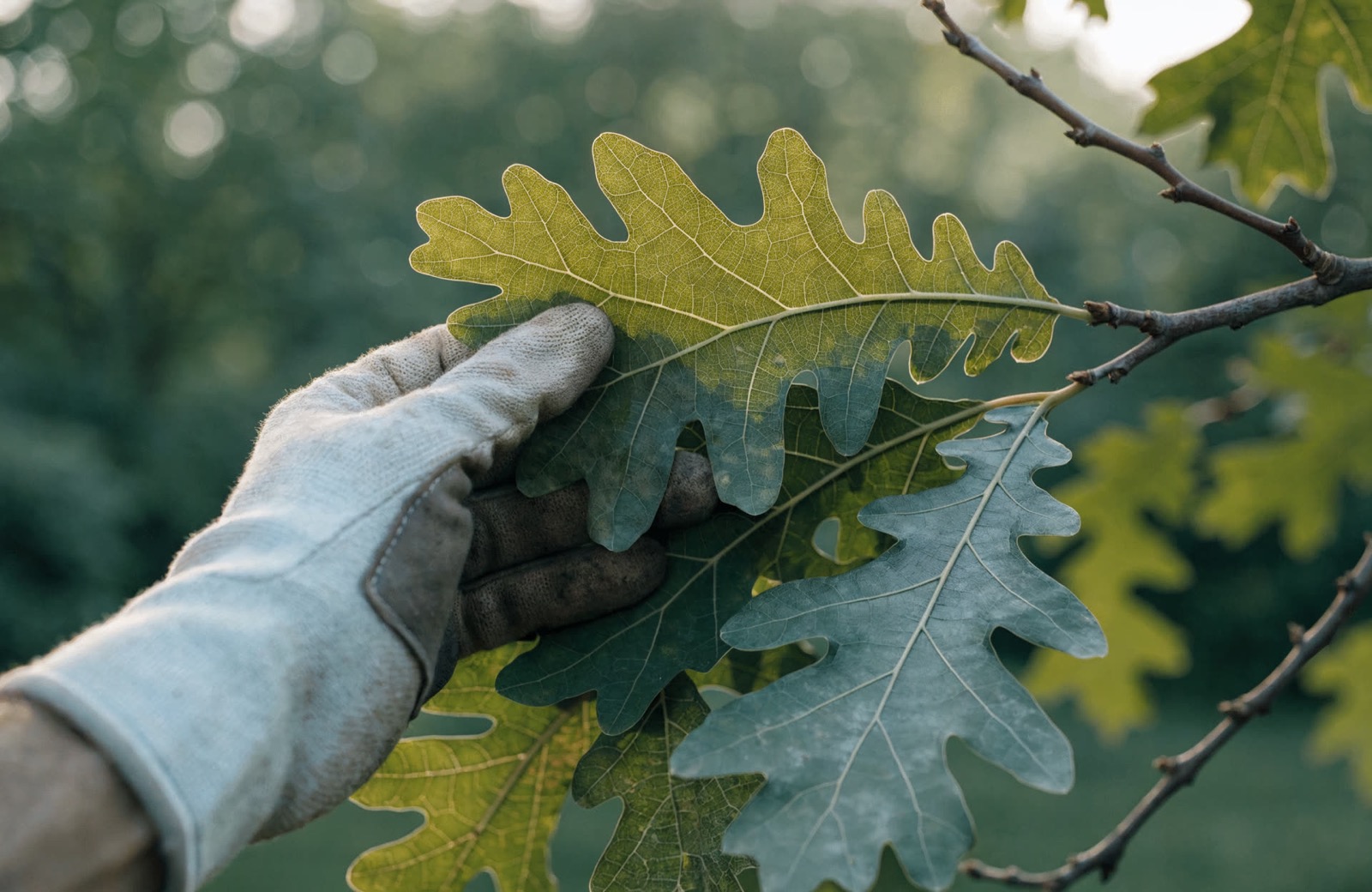
As the air in Toms River, NJ, gets a little crisper and the days a little shorter, you know what’s coming. No, not just the inevitable tidal wave of pumpkin-spice everything, but something far more important for the long-term beauty and health of your property: fall. For your trees, this is a season of transition, a time to wind down and prepare for the harsh realities of a New Jersey winter. Here at Tree Ya Later, we’ve seen what a little autumnal TLC can do for a landscape, and we’re here to spill the sap on how you can get your trees ready for their long winter’s nap. So, grab a cozy sweater and your favorite warm beverage, and let’s talk fall tree care in Toms River.
Why Bother with Fall Tree Care? (Spoiler: It’s a Big Deal)
You might be thinking, “Trees have been surviving winters without my help for millennia, what’s the big deal?” And you’re not wrong. Trees are incredibly resilient. But the trees in your yard aren’t in a wild forest. They’re part of your home’s ecosystem, and they face a unique set of challenges. Urban and suburban trees have to deal with compacted soil, limited space, and the occasional rogue frisbee. Giving them a helping hand in the fall isn’t just about being a good tree parent; it’s a smart investment in your property’s value and safety. Proper fall tree care in Toms River can prevent a whole host of winter woes, from broken branches and pest infestations to devastating diseases. Think of it as preventative medicine for your leafy friends. A little effort now can save you a lot of headaches (and money) later.
The Science of Senescence: What’s Really Happening to Your Trees in the Fall?
Ever wonder what’s going on inside your trees when their leaves put on that spectacular autumn show? It’s a process called senescence, which is just a fancy word for aging. As the days get shorter and the temperatures drop, deciduous trees get the signal that it’s time to shut down for the winter. They stop producing chlorophyll (the green stuff that helps them make food from sunlight), which is why we get to enjoy that brilliant display of reds, oranges, and yellows. The tree then reabsorbs the nutrients from its leaves and creates a special layer of cells at the base of each leaf stem, which eventually pushes the leaf off. This is the tree’s way of conserving energy and water for the long, cold months ahead. It’s a beautiful and incredibly efficient process, and understanding it helps us appreciate why our fall tree care efforts are so important. We’re essentially working with the tree’s natural cycle to give it the best possible chance of a healthy and vigorous return in the spring.
Your Ultimate Fall Tree Care Checklist: A Spa Day for Your Trees
Ready to get your hands dirty? Here’s a comprehensive checklist for your fall tree care in Toms River. We’ve broken it down into manageable steps, so you can give your trees the five-star treatment they deserve.
Hydration Station: The Importance of Fall Watering
This might sound counterintuitive, but your trees are surprisingly thirsty in the fall. Even though the weather is cooling down, their roots are still actively growing and storing water for the winter. A well-hydrated tree is a happy tree, and a happy tree is much more likely to survive the winter unscathed. We recommend a deep, slow watering once or twice a week, especially for newly planted trees and evergreens. A good rule of thumb is to provide about 10 gallons of water for every inch of the tree’s diameter. Use a soaker hose or a drip irrigation system to deliver the water directly to the root zone, and avoid a shallow, frequent sprinkling, which can encourage weak, surface-level roots.
Mulch Ado About Nothing? Think Again!
If you do only one thing for your trees this fall, make it this: apply a fresh layer of mulch. Mulch is like a superhero for your soil. It insulates the roots from extreme temperature fluctuations, retains moisture, suppresses weeds, and even adds valuable nutrients to the soil as it breaks down. We recommend a 2-4 inch layer of organic mulch, such as wood chips or shredded bark. Apply it in a wide circle around the base of your tree, but be sure to leave a few inches of space around the trunk itself. Piling mulch up against the trunk, a practice we call “volcano mulching,” can trap moisture and lead to rot, disease, and even pest infestations. So, give your trees a nice, cozy blanket of mulch, but make sure they can still breathe!
The Art and Science of Fall Pruning
Fall is an excellent time for a little strategic pruning. Removing dead, damaged, or diseased branches not only makes your trees look better, but it also improves their structural integrity and reduces the risk of them breaking under the weight of snow and ice. It’s also a good time to thin out the canopy a bit to improve air circulation, which can help prevent fungal diseases. However, we can’t stress this enough: pruning is a job for a professional. Improper pruning can create wounds that are slow to heal, leaving your tree vulnerable to pests and diseases. And please, for the love of all that is green, don’t even think about “topping” your trees. This archaic and harmful practice can permanently damage your trees and create a hazardous situation. If you’re not a qualified tree care professional, put down the chainsaw and give us a call. We’ll give your trees a haircut that they’ll thank you for.
A Fall Feast: To Fertilize or Not to Fertilize?
Fertilizing in the fall can be a bit of a controversial topic in the tree care world. Some experts say it’s a great way to give your trees a nutrient boost for the winter, while others argue that it can encourage new growth that will be vulnerable to frost damage. The truth is, it depends on the tree and the soil. A soil test is the best way to determine if your trees are lacking any essential nutrients. If they are, a slow-release fertilizer with a low nitrogen content can be beneficial. But if your trees are healthy and growing well, they probably don’t need any extra food. When in doubt, it’s always best to consult with a professional. We can help you determine if your trees would benefit from a fall feeding and recommend the right fertilizer for the job.
Pest Patrol: Evicting Unwanted Winter Guests
Just because it’s getting cold doesn’t mean the pests have packed their bags and gone on vacation. In fact, some of them are just getting ready to move in for the winter. Fall is a critical time to inspect your trees for any signs of an infestation. Look for things like egg masses, cocoons, and exit holes. Some common pests to watch out for in the Toms River area include the emerald ash borer, bagworms, and spider mites. It’s also a good time to be on the lookout for fungal diseases like anthracnose and oak wilt, which can take hold in the cool, damp weather of autumn. If you spot anything suspicious, don’t wait. Early detection and treatment are key to preventing a small problem from becoming a big one. We have the expertise and the tools to safely and effectively evict any unwanted guests from your trees.
DIY vs. The Pros: A Comedy of Errors (and How to Avoid It)
We’ve all seen it. The neighbor who decides to save a few bucks by pruning their own trees, only to end up with a lopsided monstrosity that looks like it belongs in a Dr. Seuss book. Or the guy who accidentally sprays his prize-winning roses with herbicide instead of insecticide. When it comes to tree care, a little knowledge can be a dangerous thing. While we admire the can-do spirit of the DIY enthusiast, some jobs are just better left to the professionals. We have the training, the experience, and the equipment to do the job safely and correctly. Plus, we’re fully insured, so you don’t have to worry about a thing. So, before you end up as the star of your own “funniest home videos” episode, give us a call. We’ll save you the embarrassment (and the potential for a trip to the emergency room).
Don’t Be a Sap: Book Your Free Estimate Today!
Your trees are a valuable asset to your property. They provide shade, beauty, and a sense of permanence. Don’t let them face the winter unprepared. The team at Tree Ya Later is here to help with all your fall tree care needs in Toms River. From a simple pruning to a comprehensive pest management plan, we’ve got the expertise to keep your trees healthy and beautiful for years to come. So, what are you waiting for? Book your free, no-obligation estimate today at https://clienthub.getjobber.com/booking/9637a187-236f-45f9-8739-dbef414b878c/. Your trees will thank you for it.
Frequently Asked Questions (FAQ)
Q: Is it okay to plant new trees in the fall?
A: Absolutely! Fall is an excellent time to plant new trees. The warm soil and cool air provide the perfect conditions for root establishment. Just be sure to get them in the ground at least six weeks before the ground freezes to give them plenty of time to get settled in.
Q: What should I do with all the leaves I rake up?
A: Don’t just send them to the landfill! Leaves are a valuable source of organic matter. You can shred them and use them as mulch, or add them to your compost pile. Your garden will thank you for it.
Q: My tree has a big crack in it. Should I be worried?
A: Yes! A crack in a tree can be a sign of a serious structural problem. It’s definitely something you should have checked out by a qualified tree care professional as soon as possible. Don’t wait for a winter storm to turn a small problem into a big disaster.
Q: How can I protect my young trees from deer damage in the winter?
A: Deer can do a lot of damage to young trees in the winter when other food sources are scarce. The best way to protect them is to install a physical barrier, such as a tree guard or a fence. There are also a variety of repellents on the market, but they need to be reapplied regularly to be effective.