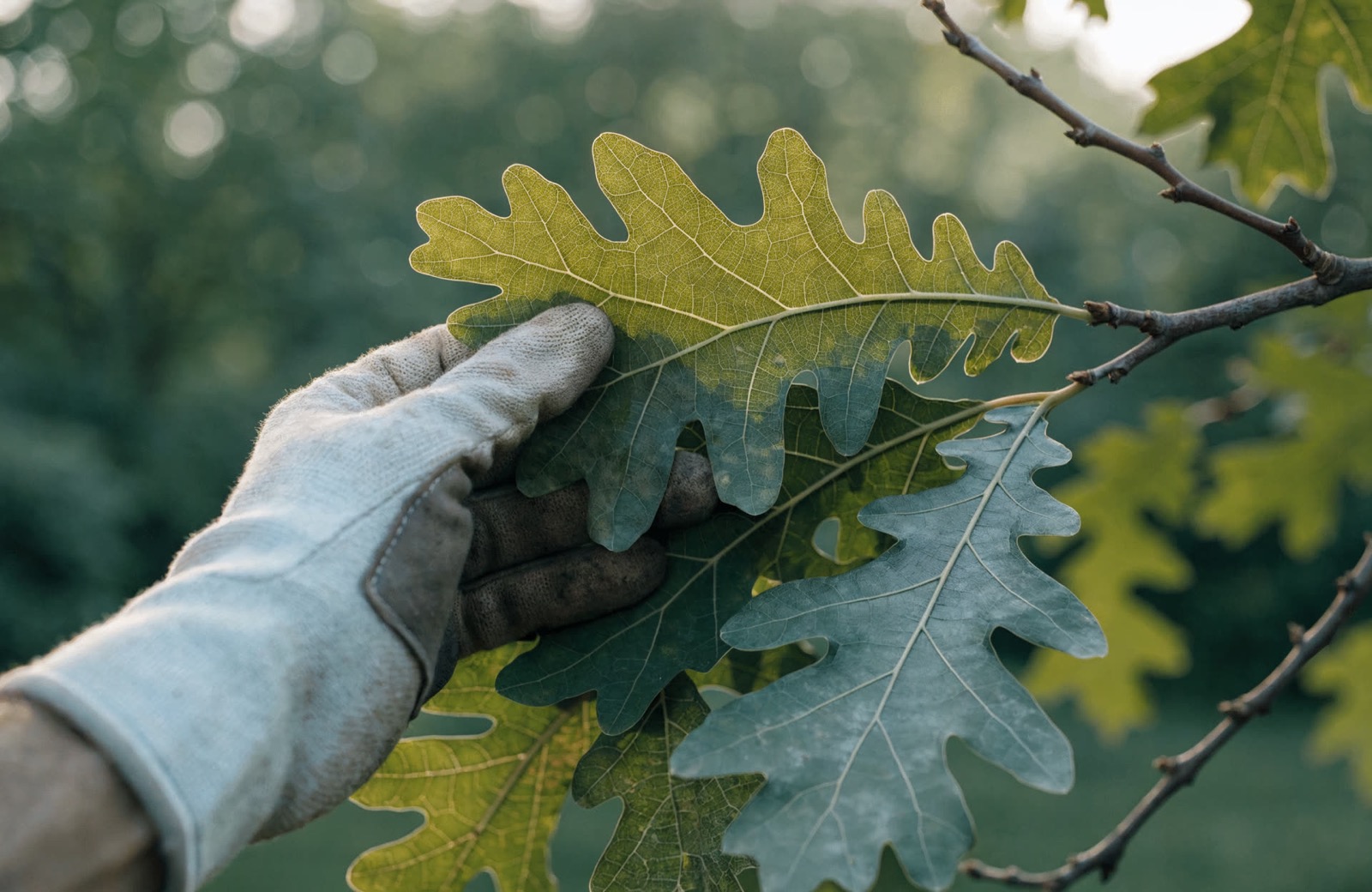
Living at the Jersey Shore is a dream for many. The sound of the waves, the salty breeze, and the endless summer days are hard to beat. But while you’re soaking up the sun, your trees might be silently suffering. That same salty air you love can be a real nightmare for your leafy friends. In this guide, we’ll explore the salty truth about how the coastal environment affects your trees, what to look out for, and how you can protect your green assets. And hey, we’ll try to have a little fun along the way, because let’s face it, tree science can be a bit…dry.
The Salty Truth: Why Your Trees Hate the Beach as Much as You Hate Sand in Your Car
You know that feeling when you get home from the beach and find sand in places you didn’t even know you had? Well, that’s kind of what your trees experience with salt. The ocean breeze, which feels so refreshing on a hot day, is actually carrying tiny salt particles that land on your trees’ leaves, branches, and even the soil around their roots. It’s like a constant, salty assault.
Now, you might be thinking, “It’s just a little salt, what’s the big deal?” But for a tree, it’s a very big deal. Salt is a desiccant, which means it draws moisture out of things. When salt lands on a tree’s leaves, it starts to pull the water right out of them, causing them to dry up and turn brown. It’s like giving your tree a bad case of sunburn, but all over.
And it gets worse. The salt that doesn’t land on the leaves ends up in the soil. As it builds up, it starts to mess with the tree’s ability to absorb water and nutrients through its roots. Imagine trying to drink a glass of saltwater when you’re thirsty. Not very refreshing, right? That’s what your tree is dealing with. The high concentration of salt in the soil creates a sort of reverse osmosis, where the water in the roots is actually pulled out into the soil, instead of the other way around. It’s a cruel, cruel world for a coastal tree.
Is Your Tree on a Salt-Free Diet? Signs of Salt Damage to Look Out For
So, how do you know if your tree is suffering from a salt overdose? Fortunately, there are some tell-tale signs to look out for. If you spot any of these, it’s time to take action.
-
Browning and Scorched Leaves: This is one of the most common signs of salt damage. The edges of the leaves will start to turn brown and look burnt, as if they’ve been toasted. This is a direct result of the salt pulling moisture out of the leaves.
-
Stunted Growth: If your tree seems to be stuck in a state of perpetual smallness, it could be a sign of salt damage. The lack of water and nutrients can severely inhibit a tree’s ability to grow.
-
Early Leaf Drop: Are your trees losing their leaves in the middle of summer? That’s a major red flag. Healthy trees hold onto their leaves until the fall, so an early leaf drop is a sign that something is wrong.
-
Twig Dieback: Take a look at the tips of your tree’s branches. If you see a lot of dead or dying twigs, it could be a sign of salt damage. The salt can cause the smaller branches to die off, giving the tree a sparse and unhealthy appearance.
-
Leaning: A leaning tree is never a good sign, but it’s especially concerning in a coastal area. The combination of strong winds and weakened roots from salt damage can make a tree unstable and more likely to fall.
Location, Location, Location: The Best Salt-Tolerant Trees for the Jersey Shore
If you’re planting new trees on your coastal property, the best thing you can do is choose species that are naturally salt-tolerant. These trees have evolved to thrive in coastal environments and are much better equipped to handle the salty conditions. Here are a few of our top picks for the Jersey Shore:
-
Eastern Red Cedar: This tough-as-nails evergreen is a great choice for coastal landscapes. It’s highly tolerant of salt spray and can handle a wide range of soil conditions.
-
Black Locust: This fast-growing deciduous tree is another excellent choice for coastal areas. It’s known for its fragrant white flowers in the spring and its ability to tolerate salt and drought.
-
Sassafras: With its unique, mitten-shaped leaves and beautiful fall color, the sassafras is a great addition to any coastal garden. It’s moderately salt-tolerant and can handle sandy soils.
-
Bayberry: This hardy shrub is a coastal classic. It’s extremely salt-tolerant and produces waxy, aromatic berries that can be used to make candles.
-
Pitch Pine: As its name suggests, the pitch pine is a rugged and resilient tree that’s well-suited to coastal life. It’s highly tolerant of salt spray and can grow in poor, sandy soils.
Don’t Be Salty: Proactive Ways to Protect Your Trees from Salt Damage
If you already have established trees on your property, don’t despair! There are several things you can do to protect them from salt damage.
-
Rinse and Repeat: After a storm or a particularly windy day, give your trees a good rinse with fresh water. This will help to wash off any salt that has accumulated on the leaves and branches.
-
Mulch, Mulch, Mulch: Applying a layer of mulch around the base of your trees can do wonders for their health. Mulch helps to retain moisture in the soil, which is especially important in a coastal environment. It also helps to create a barrier between the soil and the salt, which can help to reduce salt buildup in the root zone.
-
Water Deeply: When you do water your trees, make sure to water them deeply. This will help to flush any salt that has accumulated in the soil out of the root zone.
-
Create a Windbreak: If your property is particularly exposed to the ocean, consider planting a windbreak of salt-tolerant shrubs or building a fence to help shield your trees from the salt spray.
When to Call in the Pros: Don’t Let Your Trees Get Ghosted
While there are many things you can do to protect your trees from salt damage, sometimes you need to call in the professionals. If you’re noticing signs of severe salt damage, or if you’re concerned about the stability of your trees, it’s always best to get a professional opinion. A certified arborist can assess the health of your trees and recommend the best course of action.
At Tree Ya Later, we’ve been helping homeowners in Coastal Ocean County protect their trees from the harsh realities of coastal living for years. We can help you choose the right trees for your property, develop a customized care plan, and even remove trees that are beyond saving. Don’t wait until it’s too late. Book a free estimate today and let us help you keep your trees healthy and beautiful for years to come. Just visit us at https://clienthub.getjobber.com/booking/9637a187-236f-45f9-8739-dbef414b878c/ to schedule your appointment.
Frequently Asked Questions (FAQ)
Q: Can salt damage kill a mature tree?
A: Unfortunately, yes. If left untreated, severe salt damage can kill even a large, mature tree. That’s why it’s so important to be proactive and address any signs of salt damage as soon as you notice them.
Q: How often should I rinse my trees?
A: A good rule of thumb is to rinse your trees after any major storm or period of high winds. If you live very close to the ocean, you may want to rinse them more frequently, especially during the summer months.
Q: Is it expensive to plant salt-tolerant trees?
A: The cost of salt-tolerant trees can vary depending on the species and size. However, investing in salt-tolerant trees is often more cost-effective in the long run, as you’ll save money on maintenance and potential removal costs.
Q: What’s the difference between salt spray damage and root damage?
A: Salt spray damage affects the leaves and branches of the tree, causing them to dry out and turn brown. Root damage, on the other hand, occurs when salt builds up in the soil and prevents the tree from absorbing water and nutrients. Both types of damage can be serious, but root damage is often more difficult to treat.
Q: Can I use regular fertilizer on my coastal trees?
A: It’s best to use a fertilizer that is specifically formulated for coastal plants. These fertilizers are typically lower in salts and contain a balanced blend of nutrients that are essential for coastal trees.