New Jersey. The Garden State. A land of legendary diners, fierce local pride, the beautiful Jersey Shore, and a truly spectacular display of autumn foliage that could make a grown man weep. The undisputed, heavyweight champion of this autumnal extravaganza? The magnificent maple tree. In all its fiery glory, the maple is the rockstar of the fall season, the headliner of the horticultural show. But what happens when your leafy legend starts looking less like a chart-topper and more like a one-hit-wonder on a reunion tour? Don’t have a full-blown panic attack! We’re here to play tree detective, to get to the root of the problem, and to help your maple get back to its glorious, foliage-rocking, head-banging glory. This is your complete, no-nonsense, and slightly hilarious guide to maple tree disease in the great state of NJ.
Is My Maple a Drama Queen, or Is It Actually Sick? Identifying Common Maple Tree Diseases in NJ
Your maple can’t exactly text you its symptoms with a sad-face emoji, but it will throw some serious shade when it’s feeling poorly. It’s a master of passive-aggressive communication. Learning to read the signs is the first step to becoming a tree-whisperer. Here are the most common maple tree diseases in New Jersey, and how to tell if your tree is just being a diva or is genuinely in distress:
Anthracnose: The Common Cold of the Tree World
This fungal fiend is a huge fan of a good old-fashioned cool, wet New Jersey spring, which, let’s be honest, is most of them. Anthracnose manifests as dark, sunken spots on the leaves, and if it’s feeling particularly dramatic, it can cause premature leaf drop. It can even spread to the twigs and branches, causing cankers. Think of it as your maple catching the common cold – it’s super annoying, it makes the tree look dreadful, and it’s a bit of a downer, but it’s usually not a major catastrophe. It affects a wide range of maples, including the popular sugar, red, and silver maples. While it can cause significant defoliation, especially in particularly wet years, the tree will usually recover on its own with a bit of sunshine and a pep talk. However, repeated infections year after year can weaken the tree, making it more susceptible to other, more serious problems. It’s a bit like how a nagging cold can sometimes turn into pneumonia if you don’t take care of yourself.
Tar Spot: The Unwanted, and Very Permanent, Tattoo
If your maple’s leaves look like they’ve been vandalized by a Sharpie-wielding toddler, you’ve probably got a case of tar spot. This fungal disease starts as innocent-looking yellow spots that eventually morph into large, black, raised blotches that look exactly like splatters of tar. It’s the tree equivalent of getting a really bad, and very permanent, tattoo of a boy band’s name on your arm. While it might look alarming, and frankly, a bit embarrassing for your tree, tar spot is mostly a cosmetic issue and rarely causes serious harm. Your tree won’t be winning any beauty pageants this year, but it’ll live to see another season. This disease is most common on Norway, silver, and red maples. The fungus has a sneaky survival strategy: it overwinters on fallen leaves, just waiting for the spring to release its spores and start the whole ugly cycle over again. This is why a good fall cleanup is not just about keeping your yard tidy; it’s a preemptive strike against this leafy menace.
Verticillium Wilt: The Silent, Soil-Borne Killer
Alright, the jokes stop here. Verticillium wilt is the real deal. This soil-dwelling fungus is the Jason Voorhees of the tree world, a silent and deadly killer that creeps into the roots and systematically destroys the tree’s vascular system. It’s like a massive clog in the tree’s plumbing, a microscopic traffic jam that prevents water and nutrients from getting where they need to go. The result? Sudden, dramatic wilting, a sickly yellowing of the leaves on one side of the tree, and eventual branch death. If you see these signs, it’s time to sound the alarm and call for backup. This is a tree emergency, people! This disease is particularly devastating to sugar and red maples. Unfortunately, there is no cure for Verticillium wilt. Once a tree is infected, it’s a slow, sad decline. Infected trees often need to be removed to prevent the spread of the fungus to other susceptible plants in your yard. It’s a tough call, but sometimes you have to make a sacrifice for the greater good of your garden.
Powdery Mildew: The Ghostly, Uninvited Residue
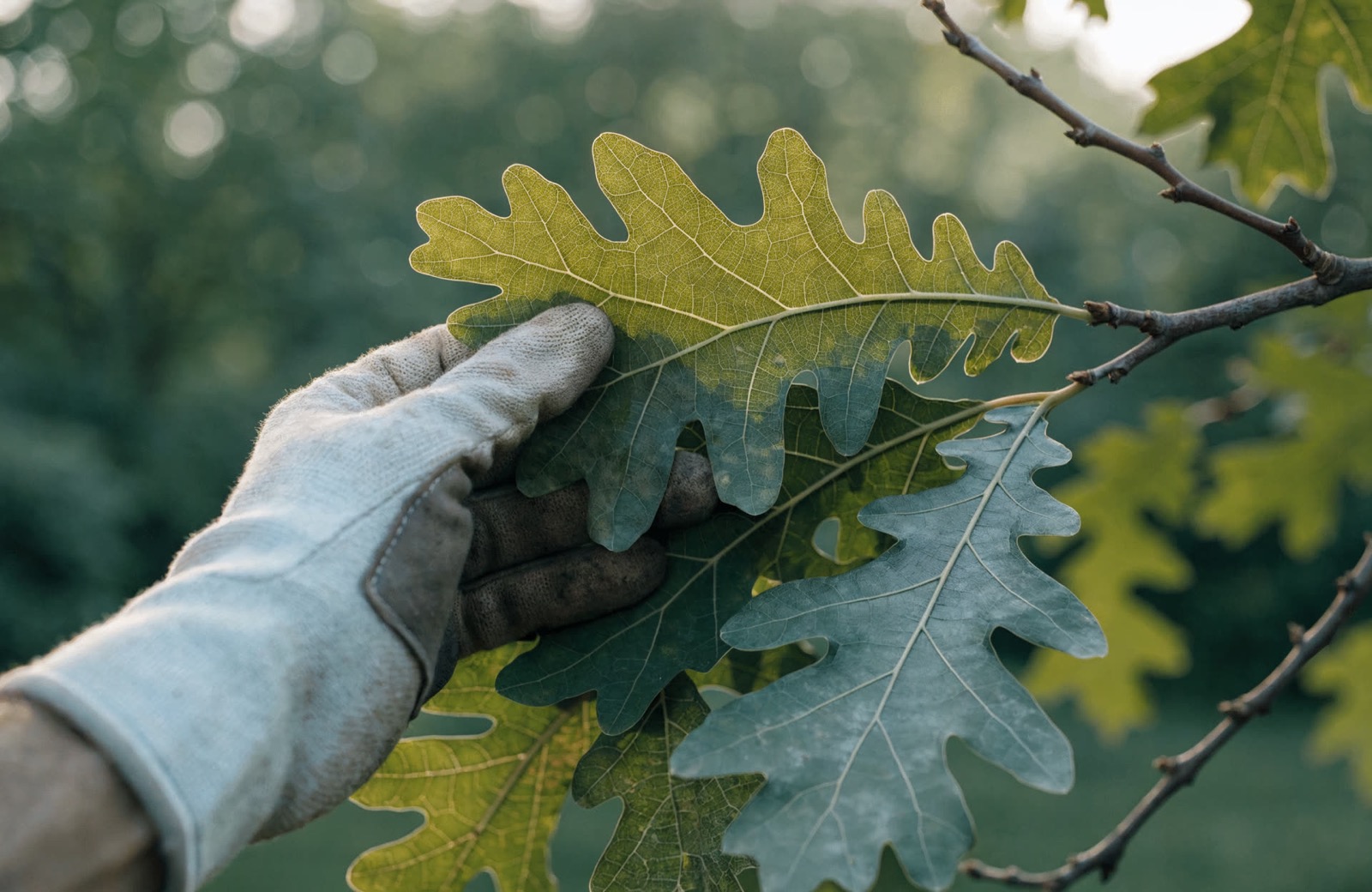
Another fungal foe, powdery mildew, looks exactly like someone came and dusted your maple’s leaves with powdered sugar while you weren’t looking. It’s a fan of warm, humid weather, which New Jersey has in spades during the summer. It can cause the leaves to turn yellow and drop prematurely. While not as terrifying as its cousin, Verticillium Wilt, a bad case of powdery mildew can weaken your tree, making it a target for other, more sinister problems. It’s like a gateway disease for your maple, the bad influence that gets it into trouble. It’s most common on sugar and Norway maples. While it’s not usually fatal, it can reduce the tree’s ability to photosynthesize, which is how it makes its food. This can impact its overall health and vigor, leaving it looking a bit sad and pathetic.
Leaf Scorch: The Sunburn from Hell
Not all maple problems are caused by creepy, crawly fungi. Leaf scorch is what happens when your tree is living the high life a little too close to the sun, or more accurately, when it’s not getting enough water to keep up with the summer heat. It’s a physiological condition that occurs when the tree loses water from its leaves faster than it can suck it up from the soil. This can be caused by hot, dry, windy weather, or by problems with the tree’s root system, such as soil compaction or damage from construction. The leaves will look like they’ve been through a fire-breathing dragon’s sneeze – brown, crispy, and generally unhappy. It’s your tree’s way of screaming, “I’m thirsty, you fool!” All maples can be affected by leaf scorch, but newly planted trees and those with compromised root systems are the most susceptible. It’s a cry for help, a desperate plea for a long, cool drink of water.
Rogues’ Gallery: Other Nefarious Characters Affecting Your Maple
Beyond the usual suspects, a few other villains might be messing with your maple:
- Sapstreak: This one’s a sugar maple specialist, a real connoisseur of the sweet stuff. It’s a fungus that gets in through damaged roots and leaves a dark, star-shaped stain on the wood. It’s like a bad review that’s permanently etched into your tree’s soul. There is no effective treatment for sapstreak, and infected trees should be removed to prevent the spread of the disease.
- Root Rot: If your maple is sitting in a puddle of water, it’s not having a relaxing spa day. It’s at risk for root rot. This is a serious condition that attacks the roots and can lead to the tree’s demise. It’s the tree equivalent of trench foot. Poorly drained soils are the primary cause of root rot, so proper site selection and soil amendment are crucial for prevention.
- Lichen: See that crusty, leafy, or tube-like growth on your maple’s bark? That’s lichen. It’s a weird, symbiotic mashup of fungi and algae, a biological odd couple. The good news? It’s harmless. It’s just using your tree as a free place to crash. Think of it as a freeloading roommate that doesn’t pay rent but also doesn’t eat your food. In fact, some people think it adds character to the tree, a touch of rustic charm.
- Armillaria Root Rot: This is a particularly nasty fungus that can attack and kill a wide variety of trees, including maples. It spreads through the soil and can infect trees through their roots. The fungus produces honey-colored mushrooms at the base of the tree in the fall, a sinister calling card. There is no cure for Armillaria root rot, and infected trees should be removed to prevent the fungus from spreading to other trees.
- Bacterial Leaf Scorch: This disease is caused by a bacterium that clogs the tree’s water-conducting tissues, much like Verticillium Wilt. The symptoms are similar to leaf scorch caused by environmental factors, but they tend to worsen each year, a slow, creeping death. There is no cure for bacterial leaf scorch, but proper care can help prolong the life of the tree.
Don’t Be a Sap: Treatment and Prevention
So you’ve diagnosed the problem. Now what? The good news is that many common maple tree diseases can be managed with a little tough love and a lot of know-how. Here’s how to show your tree you care:
- Pruning: Get out your shears and give your maple a much-needed haircut. Regularly pruning dead or diseased branches improves air circulation and helps stop the spread of fungal diseases. It’s like social distancing for your tree. Make sure to sterilize your pruning tools between cuts with a 10% bleach solution to avoid spreading the disease from one branch to another.
- Watering: Don’t be a neglectful plant parent. Proper watering is key. During dry spells, give your maple a good, deep drink once a week. But don’t drown it! Overwatering can be just as bad as underwatering. A good rule of thumb is to check the soil moisture before you water. Stick your finger a few inches into the soil. If it’s dry, it’s time to water.
- Mulching: Tuck your tree in with a cozy blanket of mulch. A layer of mulch around the base of your tree helps retain soil moisture and keeps the soil temperature just right. It’s like a weighted blanket for your tree’s anxieties. Just make sure to keep the mulch a few inches away from the trunk to prevent rot and to avoid creating a cozy home for rodents.
- Fungicides: Sometimes, you have to bring out the big guns. Fungicides can be effective against fungal diseases, but they’re not a cure-all. It’s important to use the right product for the job and to apply it correctly. This is often a job best left to the pros. They can also help you with a proper diagnosis to ensure you’re treating the right problem.
- Fertilization: A healthy, well-fed tree is better able to fight off diseases. A slow-release fertilizer in the spring can give your maple the boost it needs to stay healthy and strong. But don’t overdo it! Too much fertilizer can be just as bad as not enough. A soil test can help you determine exactly what nutrients your tree needs.
When to Call in the Tree-vengers: Professional Tree Care
Let’s be honest. Some things are best left to the professionals. You wouldn’t perform surgery on yourself after watching a YouTube video, would you? So why would you attempt to perform major surgery on your tree? If you suspect a serious disease like Verticillium Wilt, or if your tree looks like it’s on its last leg, it’s time to call a certified arborist. They’re like the tree doctors of the world, and they have the knowledge, experience, and cool gadgets to save the day.
Don’t wait until your tree is a lost cause! A professional arborist can help you save your tree and prevent the spread of disease to other trees in your yard. It’s an investment in the health and beauty of your property, and it can save you from the heartache of losing a beloved tree.
Conclusion
Your maple tree is more than just a pretty face. It’s a valuable part of your property, a provider of shade, a home for birds, and a cornerstone of New Jersey’s natural beauty. By learning to spot the signs of common maple tree diseases and by taking proactive steps to keep your tree healthy, you can ensure that it will be around for generations to come, a leafy legacy for your family. And remember, when in doubt, call in the pros. Your tree will thank you for it.
Frequently Asked Questions (FAQ)
Q: What is the most common maple tree disease in New Jersey?
A: Anthracnose and tar spot are two of the most common fungal diseases affecting maple trees in New Jersey. They are generally not life-threatening to the tree but can cause significant cosmetic damage.
Q: Can I treat maple tree diseases myself?
A: Some minor issues like powdery mildew and leaf scorch can be managed with proper care, such as pruning and watering. However, for more serious diseases like verticillium wilt, it is highly recommended to consult a professional arborist.
Q: How can I prevent maple tree diseases?
A: The best way to prevent maple tree diseases is to keep your tree healthy and stress-free. This includes proper watering, mulching, and regular pruning. It’s also important to choose disease-resistant maple varieties when planting new trees.
Q: Is it expensive to have a professional treat my maple tree?
A: The cost of professional tree care can vary depending on the size of the tree, the severity of the disease, and the type of treatment required. However, investing in professional tree care can often save you money in the long run by preventing the need for costly tree removal.
Q: What are those weird black spots on my maple leaves?
A: Those are likely tar spots, a fungal disease that is common in maple trees. While they may look unsightly, they are usually harmless to the tree.
Q: Why are the leaves on one side of my maple tree dying?
A: This could be a sign of Verticillium Wilt, a serious fungal disease that attacks the tree’s vascular system. If you notice this symptom, it’s important to contact a certified arborist immediately.
Q: My maple tree’s leaves are turning brown and crispy around the edges. What’s wrong?
A: This sounds like leaf scorch, which can be caused by a number of factors, including hot, dry weather, and root problems. Make sure your tree is getting enough water, and consider adding a layer of mulch to help retain soil moisture.
Q: Can I plant a new maple tree where one has died from a disease?
A: It depends on the disease. If the tree died from a soil-borne disease like Verticillium Wilt, you should not plant another susceptible tree in the same spot. A certified arborist can help you choose a disease-resistant tree that will thrive in your yard.
Ready to give your maple the rockstar treatment it deserves? Book a free estimate with Tree Ya Later today! Our team of certified arborists is ready to rock and roll, and get your trees back to their headlining glory!