Living in Brick or Toms River, you know the Jersey Shore life is a mix of sweet and salty. Sweet summer days, sweet tea on the porch, and the sweet, sweet sound of the ocean. But that salty sea air, while great for your beach waves, can be a real drag for your trees. It’s a classic case of “it’s not you, it’s me” – your trees just aren’t built for this kind of salty relationship.
But don’t throw in the trowel just yet! You don’t have to settle for a barren wasteland of a yard. You can have a lush, green landscape that thrives in our coastal conditions. The secret? Choosing the right trees. We’re talking about the Chuck Norris of the tree world – tough, resilient, and able to handle anything the Atlantic throws at them. So, let’s dive into the best trees to plant in Brick and Toms River for a yard that’s the envy of the neighborhood.
Why Your Regular Trees Are So Salty About the Shore
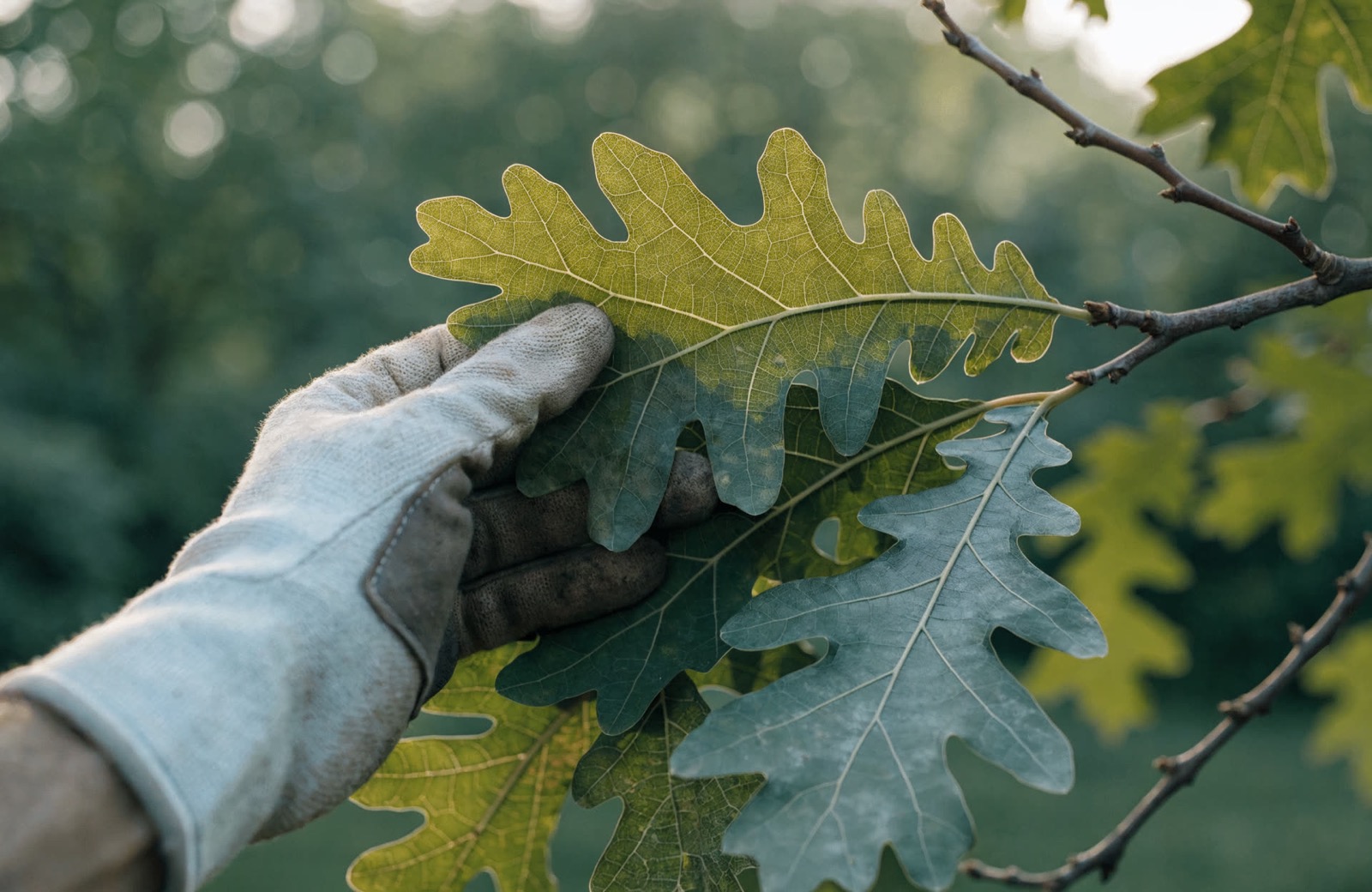
Ever wonder why your once-majestic maple is looking a little… crispy? It’s not because it’s jealous of your tan. It’s the salt. Salt spray from the ocean gets carried by the wind and lands on leaves, needles, and bark, where it literally sucks the moisture out of them. It’s like giving your trees a permanent case of chapped lips.
But the assault doesn’t stop there. Salt also seeps into the soil, making it harder for roots to absorb water and nutrients. It’s a double whammy of dehydration and starvation. The result? Browning leaves, stunted growth, and a tree that’s more likely to say “Tree Ya Later” to life.
The Toughest Trees on the Block: Our Top Picks for Brick and Toms River
Ready to fight back against the salty scourge? Here are our top picks for trees that will not only survive but thrive in our coastal communities.
Eastern Red Cedar (Juniperus virginiana): The Stoic Sentinel
This isn’t just a Christmas tree. The Eastern Red Cedar is a native evergreen that’s as tough as they come. It’s highly tolerant of salt spray and can handle the sandy, poor soils often found near the coast. Plus, its dense foliage provides a great windbreak, protecting more sensitive plants in your yard. Think of it as your yard’s personal bodyguard.
Black Locust (Robinia pseudoacacia): The Misunderstood Hero
The Black Locust gets a bad rap for its thorns, but it’s a true survivor. This fast-growing tree is incredibly salt-tolerant and can thrive in even the most challenging conditions. Its fragrant, white flowers are a bonus, attracting pollinators and adding a touch of beauty to your landscape. Just be sure to plant it in a spot where its thorns won’t be a nuisance.
Sassafras (Sassafras albidum): The Triple-Threat Tree
Sassafras is a tree with a personality. It’s known for its unique, three-shaped leaves – you can find oval, mitten-shaped, and three-lobed leaves all on the same branch! It’s also moderately salt-tolerant and puts on a spectacular show in the fall with its vibrant shades of yellow, orange, and red. It’s the tree that keeps on giving.
Bayberry (Myrica pensylvanica): The Shrubby Sidekick
Okay, so it’s more of a large shrub than a tree, but Bayberry is a coastal all-star. This semi-evergreen is incredibly salt-tolerant and its waxy, gray berries are a favorite of birds. It’s also deer-resistant, which is a huge plus in our area. Plant a few of these for a low-maintenance, high-impact addition to your yard.
Pitch Pine (Pinus rigida): The Gnarly Native
If you’re looking for a tree with character, look no further than the Pitch Pine. This native pine is a common sight in the Pine Barrens and is perfectly adapted to our coastal environment. It’s highly salt-tolerant and can handle dry, sandy soils. Its gnarled branches and rugged appearance add a touch of wild beauty to any landscape.
American Holly (Ilex opaca): The Year-Round Beauty
Who says you can’t have it all? The American Holly is a broadleaf evergreen that’s both beautiful and tough. It’s moderately salt-tolerant and its glossy, green leaves and bright red berries provide year-round interest. It’s a classic choice for a reason.
Hackberry (Celtis occidentalis): The Urban Survivor
The Hackberry is a true survivor. It’s tolerant of a wide range of conditions, including salt spray, drought, and pollution. It’s a great choice for a street tree or for a spot in your yard where other trees have struggled. It may not be the flashiest tree on the block, but it’s a reliable workhorse.
Planting for Success: A Not-So-Salty Guide
Choosing the right tree is only half the battle. You also need to give it a good start in life. Here are a few tips for planting and caring for your new salt-tolerant trees:
- Amend the soil: Our coastal soils can be sandy and low in nutrients. Amend the soil with compost to give your new tree a boost.
- Water deeply: Water your new tree deeply and regularly for the first year to help it establish a strong root system.
- Mulch, mulch, mulch: A layer of mulch will help retain moisture, suppress weeds, and protect the roots from extreme temperatures.
- Rinse and repeat: After a big storm or a particularly windy day, give your trees a good rinse with fresh water to wash off any salt spray.
When to Say ‘Tree Ya Later’ to a Salty Situation
Even the toughest trees can struggle sometimes. If you have a tree that’s looking a little worse for wear, it’s always a good idea to call in the professionals. At Tree Ya Later, we can assess the health of your trees and recommend the best course of action. Whether it’s pruning, fertilization, or, in some cases, removal, we’ll help you make the right decision for your trees and your property.
Conclusion
Living at the Jersey Shore doesn’t mean you have to sacrifice a beautiful, green yard. By choosing salt-tolerant trees and giving them the right care, you can create a landscape that will thrive for years to come. So, embrace the salty life and get planting!
Ready to transform your yard into a coastal oasis? Book a free estimate with Tree Ya Later today! We’ll help you choose the perfect trees for your property and provide expert planting and care services. Visit us at https://clienthub.getjobber.com/booking/9637a187-236f-45f9-8739-dbef414b878c/ to schedule your appointment.
Frequently Asked Questions
Q: What’s the best time to plant these trees in Brick, NJ?
A: The best time to plant trees in our area is in the fall or early spring. This gives the tree a chance to establish its roots before the heat of summer or the cold of winter.
Q: Are these trees high-maintenance?
A: Not at all! The trees on this list are known for being low-maintenance and adaptable. Once they’re established, they’ll require minimal care.
Q: Can I plant these trees myself, or should I hire a professional?
A: While you can certainly plant these trees yourself, hiring a professional can ensure that the job is done right. At Tree Ya Later, we can help you with everything from site selection to planting and long-term care.
Q: How can I tell if my current trees are suffering from salt damage?
A: Look for signs like browning or yellowing leaves, stunted growth, and early leaf drop. If you’re not sure, give us a call and we’ll come out and take a look.
Q: Are there any trees I should absolutely avoid planting near the coast?
A: Yes! Trees like sugar maples, dogwoods, and many types of fruit trees are not very salt-tolerant and will likely struggle in our coastal environment.